Venues · 6 Aug 2026
A venue itself does not create value. Success depends on the service processes that guide organisers, not on concrete, walls or technology.
Vesa Walden
6 Aug 2026
6 min read
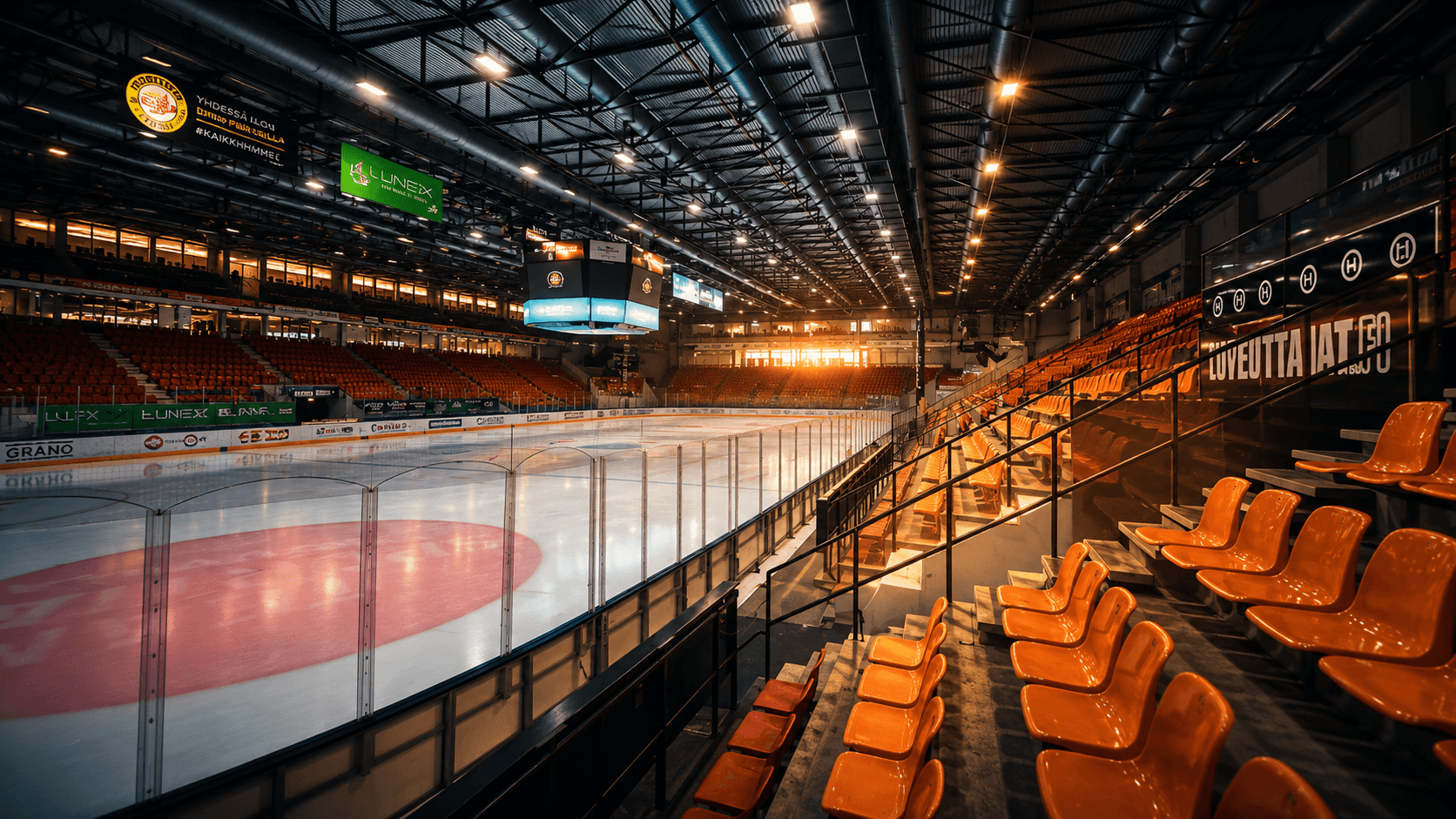
Across Finland and around the world, new event venues, cultural centres, arenas, conference facilities, and multi-purpose spaces continue to emerge. Buildings are carefully designed, technology is acquired, and significant investments are made in infrastructure.
That is important.
Yet one question often receives far less attention: who builds the activity within these venues?
A venue itself does not create value. Value emerges when people, communities, companies, and cities use that space to create meaningful experiences.
Ultimately, the success of a venue is not determined by concrete, walls, or technology. It depends on how effectively the venue enables compelling content, quality services, and successful events.
Many venues are completed with a successful construction project behind them, while the development of operational models is only beginning.
Questions soon arise: What types of events will be hosted? Who are the target audiences? Who is responsible for the overall operation? How do different stakeholders collaborate? How does information flow? How are operations continuously improved?
Without a common operating model and clear processes, every event risks becoming a new project built from scratch. This increases workload, fragments information, and makes long-term development difficult.
A great event concept deserves an equally great service process.
A venue may have an excellent location, outstanding facilities, and a strong brand, but without clear service processes, much of its potential can remain unrealized.
Service processes are not only internal management tools. They are also a way to guide and support event organizers, especially those with limited experience.
A well-designed service process helps organizers move forward step by step. It clarifies what needs to be done, which services are available, who to contact, and how the event progresses from planning to execution.
At the same time, the venue can provide a more consistent and predictable service experience for all customers. For organizers, this means a smoother and more reliable journey. For venue operators, it means better outcomes, stronger customer relationships, and a more professional reputation.
At its best, a venue offers more than space. It offers a framework that helps even inexperienced organizers succeed.
Not every event organizer is a professional. For many associations, congregations, companies, and community organizations, event production is an occasional project that may take place only once a year or even less frequently.
This is why a venue's role should extend beyond renting facilities. It should help customers achieve successful outcomes. When venue service processes are carefully designed and documented, they become a practical guide throughout the organizer's entire project.
This benefits everyone involved. Event organizers gain confidence and better results. Venues reduce errors, improve efficiency, and strengthen their position as trusted partners.
In the end, a venue's reputation is built less on its walls and more on the experiences it helps create.
Event production is often viewed as the management of individual events. In reality, it is the management of an ecosystem that includes event organizers, tenants, service providers, sponsors, authorities, volunteers, and customers and audiences.
Each participant has unique needs, responsibilities, and processes. Successful venues do not merely provide facilities. They create conditions that allow an entire network of stakeholders to work effectively together.
Many venues already offer excellent technical facilities. The next competitive advantage will come from how effectively operations are managed.
Successful organizations are those that can reduce dependency on individuals, improve collaboration, manage information systematically, continuously improve operations, and deliver high-quality experiences efficiently.
The challenge is not simply organizing events. The challenge is creating a system that enables successful events repeatedly.
Sapluna helps venues, cities, congregations, cultural organizations, and other culmination project operators develop their operating models systematically. Our work combines service process design, project modeling, and digital information management.
Sapluna's Event Production Model helps organizations define and standardize their operations so that information, responsibilities, and processes are accessible to everyone involved. This is supported by the Sapluna platform, which provides modern tools for project management, information management, collaboration, and event operations.
Because the real question is not how to build an event venue. The real question is how to build successful activity within it.
Sapluna helps event venues develop service processes, operating models, and project management practices. The Sapluna platform provides modern tools for information management, collaboration, and the systematic development of event operations.
